The cover, the contents and the first chapter are here to read. The other nine chapters, and the print button, open once the Experience is on this device.
A companion to the novel Escape to Lostman’s River by Linda & John McKillop.
Before you cast
Everything in here I learned the slow way, one summer on Lostman’s River: from Uncle Dan, from Snapper, and from the fish that got away. Print it, keep it in a zip bag in the boat, and write in it. A journal that stays clean isn’t being used.
Sizes, seasons and bag limits are not printed in this journal, because they change. Chapter 2 shows you where to look them up and gives you a page to write them on.
Chapter 1
Know your fish
Six fish matter most on this river. Learn what gives each one away, where it lives and how to fish for it, and you can name most of what comes over the side.
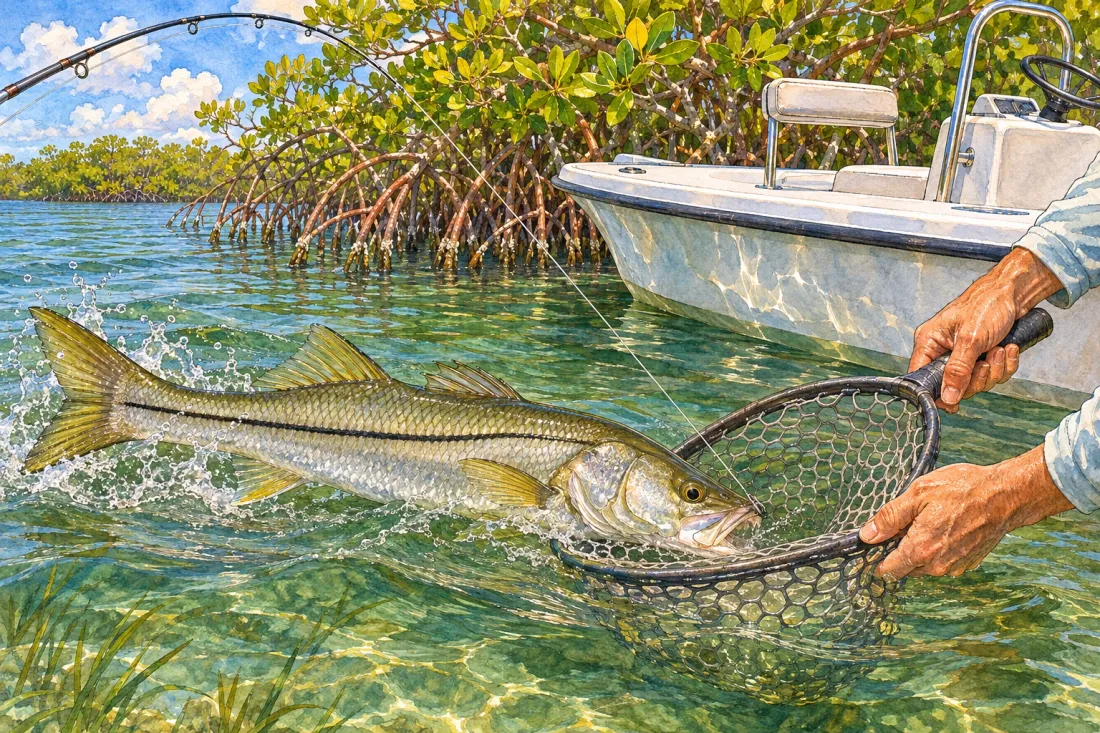
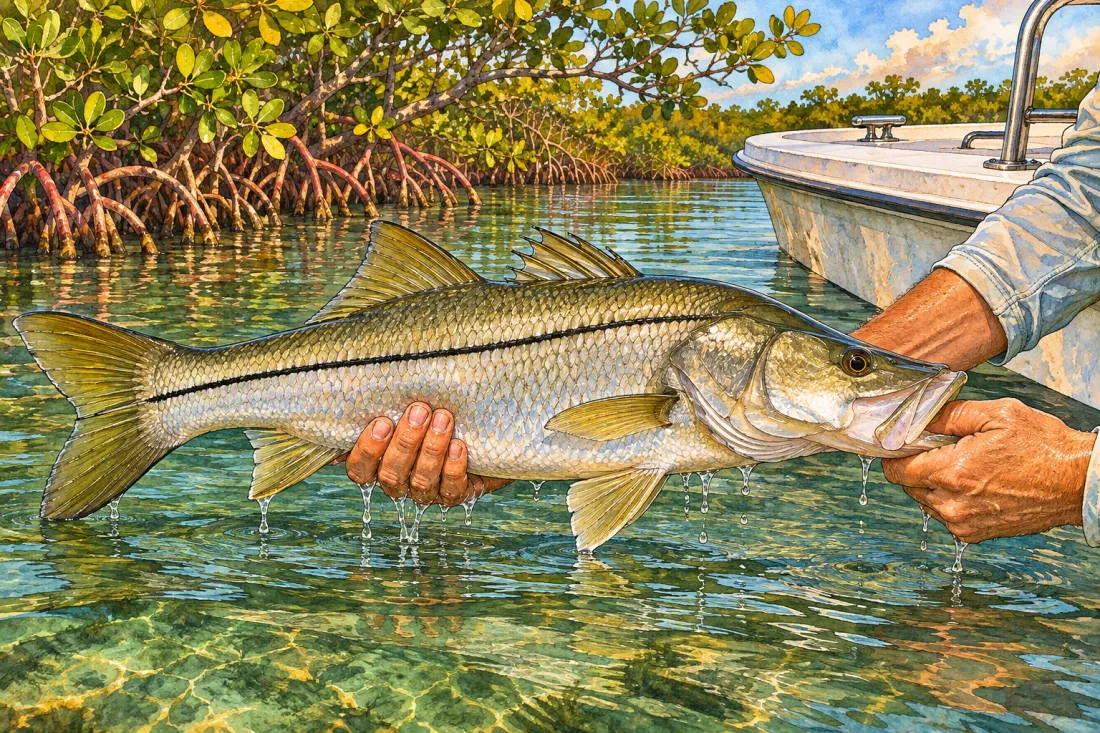
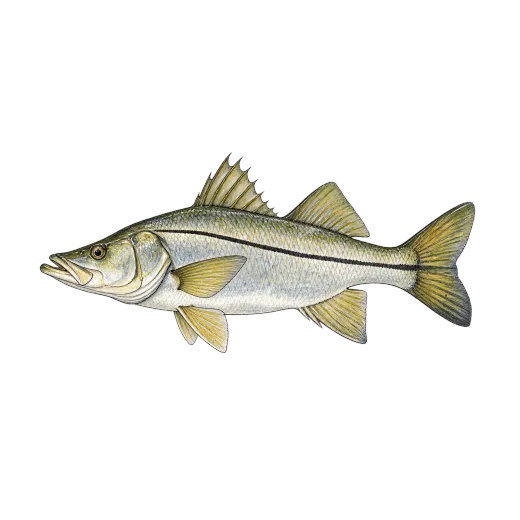
Common snook
Tell-tale: Long body, protruding lower jaw, single black stripe nose to tail.
Lives: Mangrove shorelines, oyster bars, river mouths, passes
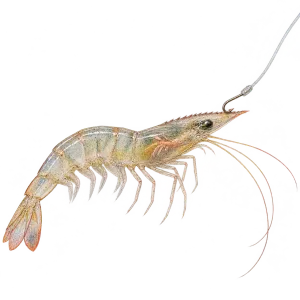
How I fish it: Bagley Mullet lure in moonlight, or a live shrimp on a size-6 hook with a weighted leader, near high tide along mangroves and rocks. Thirty-pound leader. Big snook jump and run for the oysters.
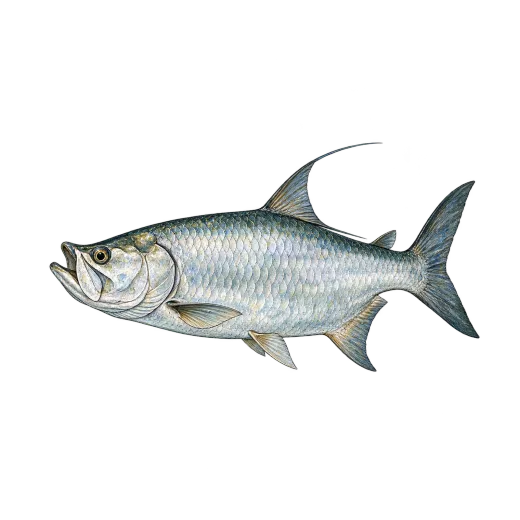
Tarpon ('silver king')
Tell-tale: Huge silver scales, upturned mouth, long trailing dorsal ray.
Lives: Passes, river mouths, grass flats, open Gulf
How I fish it: Trolling a lure a hundred feet behind the Sea Belle at a river mouth; thick 'boat poles' with 30-lb line. Tarpon leap and shake to throw the hook — bow to the fish, reel on the way down.
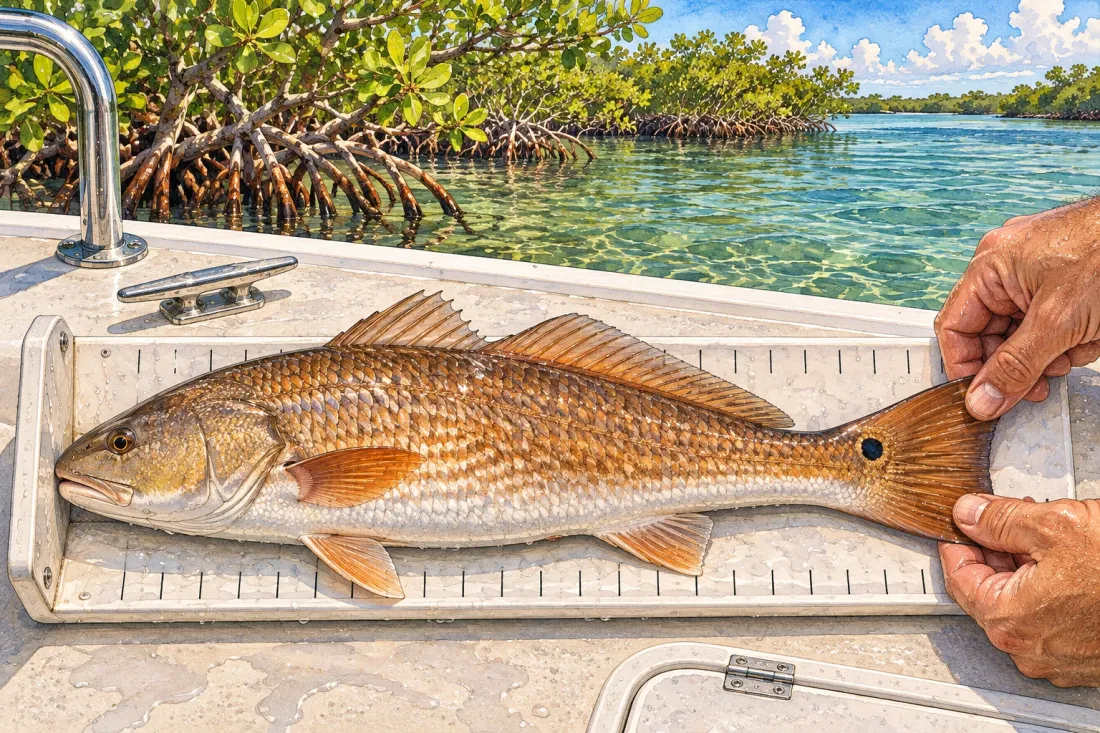
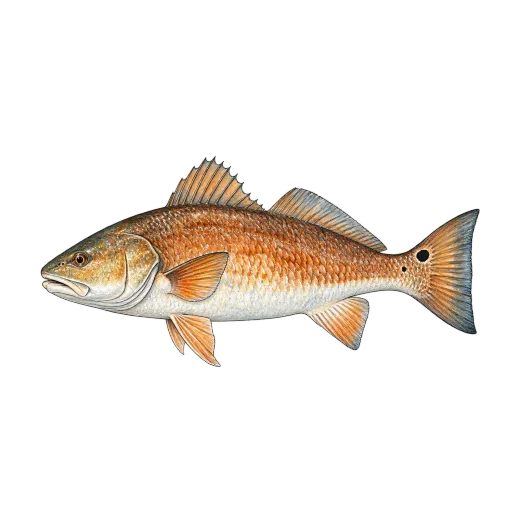
Redfish (red drum, 'spot-tail')
Tell-tale: Copper-bronze, one or more black spots at the base of the tail.
Lives: Oyster bars, mangrove points, shallow bays
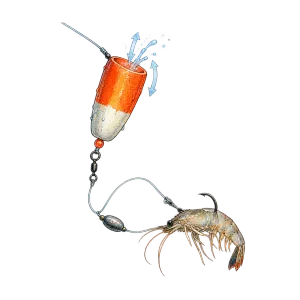
How I fish it: Popping cork with a live shrimp over oyster bars on a dropping tide.
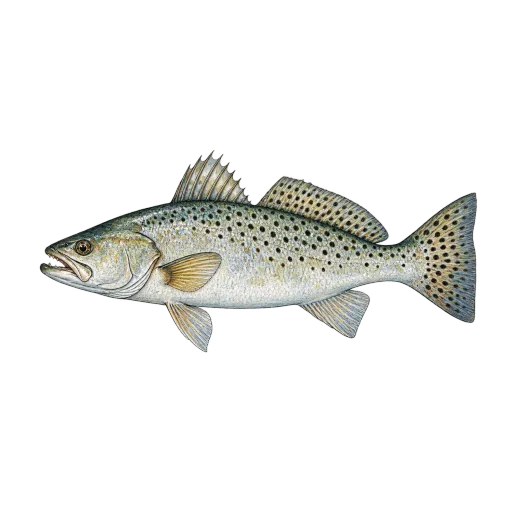
Spotted seatrout
Tell-tale: Silver-gray with black spots on back, dorsal, and tail; two canine teeth.
Lives: Seagrass beds, open bays
How I fish it: Jigging a yellow feather tipped with shrimp over grass beds; soft mouth, so don't yank.
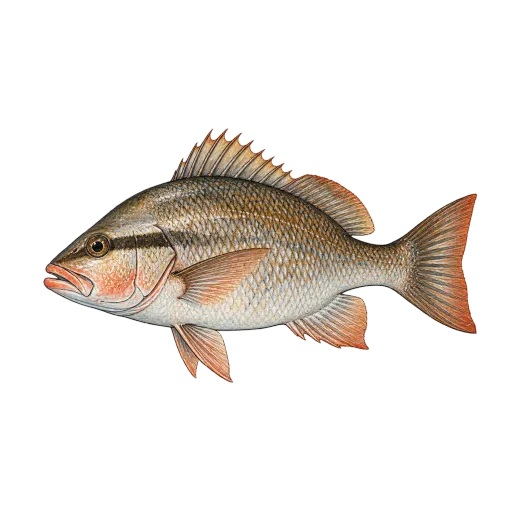
Mangrove (gray) snapper
Tell-tale: Gray-bronze, dark stripe through the eye, reddish tint near the mouth.
Lives: Mangrove roots, river mouths, deep holes
How I fish it: Hook and live shrimp with weight in fast current and deep water near mangrove roots.
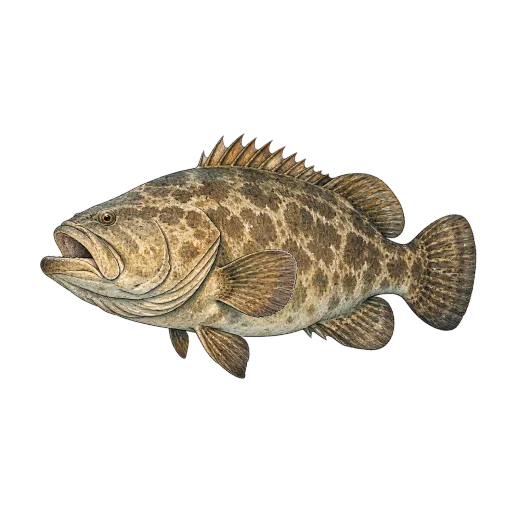
Grouper (goliath / gag)
Tell-tale: Broad head, huge mouth, mottled brown. Goliaths are the 300-pounders.
Lives: Deep holes, river channels, structure
How I fish it: Live bait in deep holes between mangrove islands where the current rushes. Strong arms and back; don't let it get under a rock.
And the rest of the river
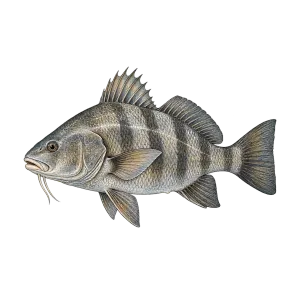
Black drumDeep-bodied, gray-black, chin barbels, vertical bars when young.
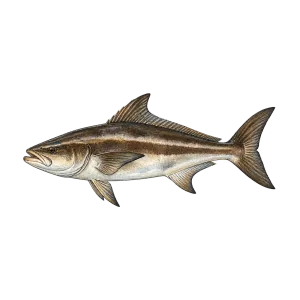
CobiaLong, dark brown, flat head; often mistaken for a shark.
Yellowtail snapperYellow stripe from nose to a forked yellow tail.
LadyfishSlender, silver, leaps wildly when hooked.
Gulf flounderFlat, both eyes on the left side, three ocellated spots.
SheepsheadBlack vertical bars and eerily human-looking teeth.
PufferfishInflates when threatened.
Jack crevalleBlunt head, yellow tail, black spot on the gill cover.
Striped mulletBlunt nose, silver, jumps for no reason anyone has proven.
A guide knows the rules cold, because the fish belong to everybody. Sizes, seasons and how many you may keep change from year to year and from one coast to the other, so the numbers on this page are yours to fill in from the source.
How to measure a fish
Wet the board, wet your hands. Dry hands and a hot deck strip the slime that keeps a fish healthy.
Mouth closed, nose to the stop. Lay the fish flat on its side with its closed mouth against the end of the board.
Pinch the tail. For most inshore fish, squeeze the tail fin together and read the longest point. That is ‘total length.’ A few species are measured to the fork of the tail instead; the rule for each fish says which.
Know what a slot is. A slot limit has a smallest size and a biggest size. Too short goes back to grow. Too long goes back too: the big ones are the breeders.
When in doubt, let it go. A fish on the line between legal and not is not a keeper. Neither is one you won’t eat.
Today’s rules
Before the trip, look up each fish you might keep and write today’s rule in the table. Note the date: if it’s old, check again.
Keep it in the water as long as you can. Unhook it there if you’re able.
Hold a big fish level, one hand under the belly. Never hang it by the jaw alone.
If the hook is deep, cut the line close and leave it. The fish does better than you’d think.
To revive it, hold it upright facing into the current until the tail kicks out of your hand.
In the book: Chapter 6: Matt holds his big snook upright and moves it through the water until its tail kicks.
Chapter 3
Find the spot
Fish aren’t spread around like raisins in a cake. The old saying is that ninety percent of them are in ten percent of the water, and that ten percent always has two things: something to eat and somewhere to hide.
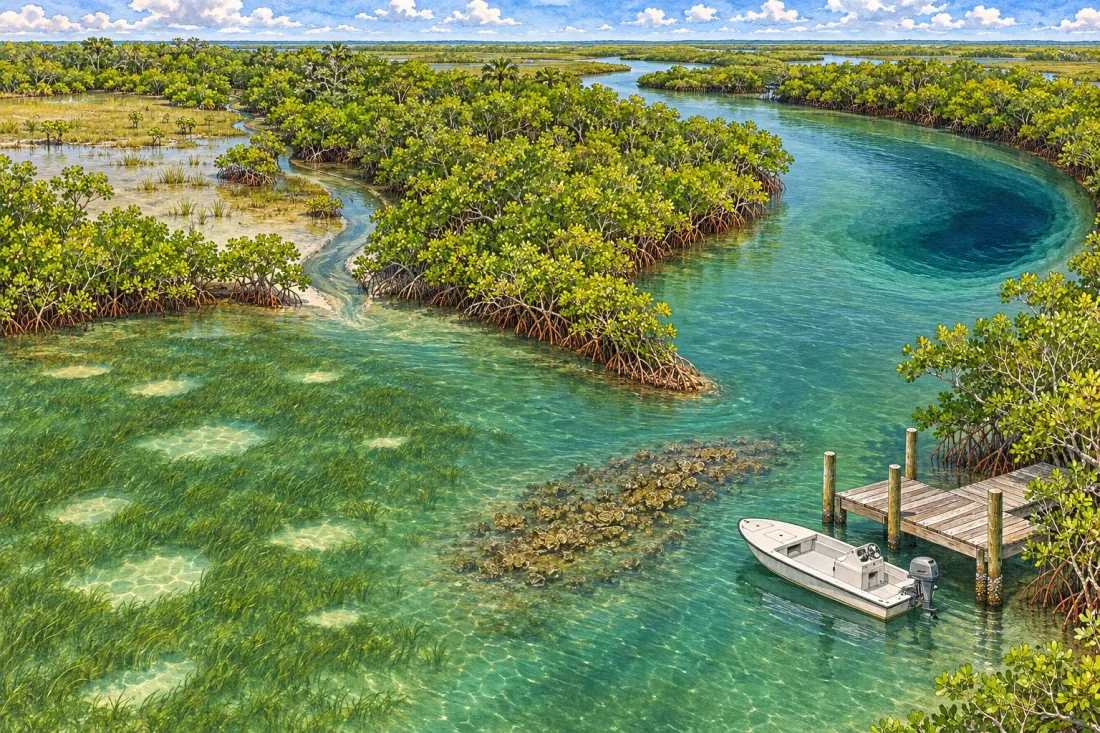
Mangrove points
Snook, redfish, snapper
The tide sweeps bait around the point, and fish wait in the slack water just behind it.
Best: Any moving tide. Cast up-current and let it swing past.
Creek mouths
Snook, redfish, trout, young tarpon
A falling tide drains the flats behind the creek and carries every shrimp and minnow out through one door.
Best: The last half of the falling tide.
Oyster bars
Redfish, sheepshead, black drum, snook
Crabs and shrimp live in the shell. Fish the edges, where the bar drops into deeper water.
Best: A rising tide, as water first covers the shell. Oysters cut line and feet: mind both.
Grass flats and potholes
Seatrout over the grass; reds and snook in the potholes
A pothole is a pale sandy patch in dark grass. Fish sit on its edge to ambush whatever crosses the open sand.
Best: Higher water. Drift across with the wind and cast ahead of the boat.
Deep holes and passes
Snapper, grouper, black drum, rolling tarpon
Deep water is cooler in summer and warmer in a cold snap, and the current brings dinner through all day.
Best: The start and the end of a tide, when you can still hold bottom.
Docks and pilings
Sheepshead, snapper, snook
Shade, barnacles and a place to hide from the current. A dock light at night is a snook restaurant.
Best: Moving water. Fish the up-current side and the shady side first.
Signs of fish
Birds diving
Something below is pushing bait to the top. Go look, slowly.
Bait showering
Minnows spraying out of the water are being chased. Cast to the far edge of the spray.
A wake with no boat
A big fish moving just under the surface pushes a ripple like a tiny boat. Cast ahead of it, never at it.
Tails
A redfish with its nose in the grass waves its tail in the air. It’s eating, and it can’t see you.
Jumping mullet
Mullet aren’t what you’re after, but everything that eats them is nearby.
A seam in the water
A line of foam or a change in color is where two currents meet. Bait collects along it, and fish patrol it.
And the tide. Moving water feeds fish; slack water is for eating your own lunch. Dan’s rule is the hour on either side of high tide, when there is plenty of water over the oyster bars.
In the book: Chapter 4: a fish ‘throwing a wake.’ Chapter 7: grass beds mean trout; mangroves and oysters mean snook and reds.
There is more than one right answer on the water. These are the rigs most guides reach for first, and the days to leave each one in the box.
Popping cork
Tie it on for: Grass flats two to five feet deep, moving water, stained water and a breezy chop. The easiest rig for a beginner: when the cork goes under, reel.
Leave it in the box: Dead-calm, gin-clear, skinny water. The splash sends fish running.
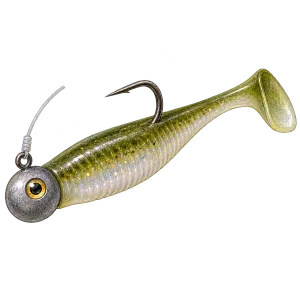
Jig and paddle tail
Tie it on for: Covering water when you don’t know where the fish are: sand potholes, channel edges, casting into the wind.
Leave it in the box: Thick grass and oyster shell. The open hook grabs everything.
Free-lined live bait
Tie it on for: Clear water and a gentle, steady current along the mangroves. The quietest rig in the box, for fish that have seen it all.
Leave it in the box: Hard wind or a ripping tide: with no weight it never gets down to the fish.
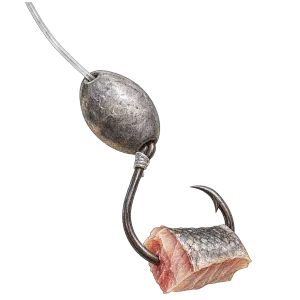
Knocker rig
Tie it on for: Deep holes, passes and pilings with a strong current. Bottom fish: snapper, sheepshead, black drum, grouper.
Leave it in the box: Shallow grass flats. It just buries itself.
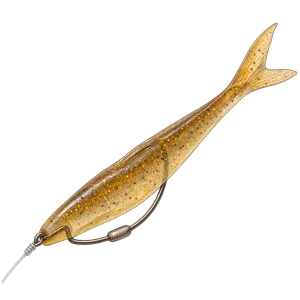
Weedless soft plastic
Tie it on for: Water under two feet, thick grass, oyster edges and tailing redfish. It lands softly and slides through anything.
Leave it in the box: Deep water or heavy current: too light to get down.
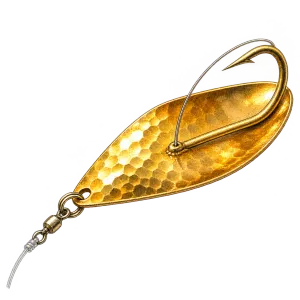
Weedless gold spoon
Tie it on for: Stained or muddy water, wind, and hunting for redfish across a big flat. Fish see the flash and feel the thump.
Leave it in the box: Deep holes. It’s a shallow-water searcher.
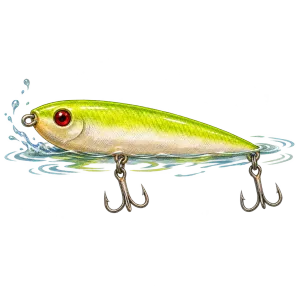
Topwater plug
Tie it on for: Dawn, dusk and overcast days on a calm surface, along shallow shorelines and flats. Snook and trout.
Leave it in the box: Bright midday sun, a hard chop, or floating grass that fouls the hooks.
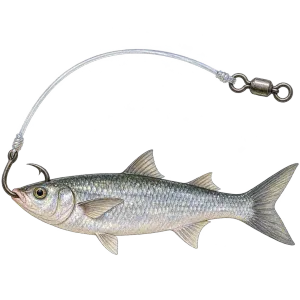
Big live bait, heavy leader
Tie it on for: Tarpon rolling in a pass or a river mouth with the tide moving.
Leave it in the box: Everything else. This is big-game tackle.
Seven rules of rigging
Can’t see your lure a foot down? Make noise, flash or smell: a popping cork, a gold spoon, a live shrimp.
Clear and calm? Go quiet, light and natural. Splashy rigs send fish running.
Skinny or grassy? Go weedless, or you’ll catch salad on every cast.
Deep, or the tide is ripping? Add weight until you can feel the bottom.
Wind in your face? Throw something small and heavy that cuts through it.
Dawn, dusk or a gray sky? Look up. Low light is topwater time.
Water not moving? Slow down, or go find water that is. Moving water feeds fish.
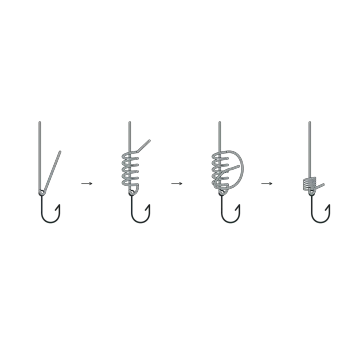
A knot you can tie in the dark, with wet hands, is worth ten you half remember. Wet every knot before you pull it tight, and test it with a hard tug.
Improved clinch knot
The everyday hook-to-line knot. Matt's first knot.
Pass the tag end through the hook eye.
Make five turns around the standing line.
Bring the tag back through the small loop by the eye, then through the larger loop you just made.
Wet it and pull the turns snug against the eye.
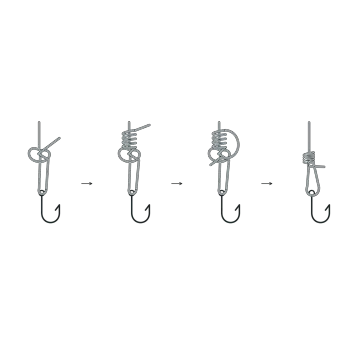
Non-slip loop knot
Leaves an open loop at the lure eye so a Bagley Mullet or a spoon can swing freely.
Tie a loose overhand knot in the line, pass the tag through the lure eye and back through the overhand.
Wrap the tag around the standing line; lighter line takes more wraps.
Bring the tag back through the overhand opening on the same side it left.
Wet it and tighten, keeping the loop open at the eye.
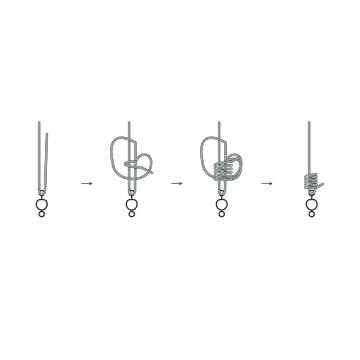
Uni knot
Line to swivel. Two of them back to back join line to leader.
Pass the line through the swivel eye and double it back.
Form a loop and start wrapping the tag around both strands inside it.
Make five turns inside the loop.
Wet it, tighten the knot, then slide it down to the eye.
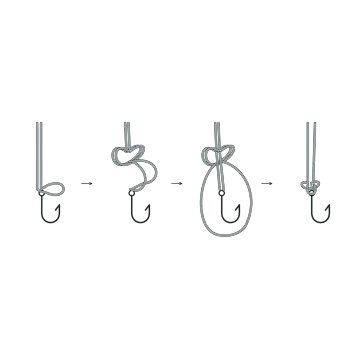
Palomar knot
The strongest simple hook knot. Good for the forged hooks on the boat poles.
Pass a doubled loop of line through the hook eye.
Tie a loose overhand knot with the doubled line.
Pass the whole hook through the loop.
Wet it and draw everything down evenly to the eye.
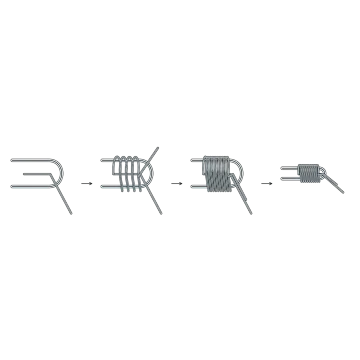
Albright knot
Main line to a heavier leader, the way Matt rigs the thirty-pound leader for the big snook.
Fold the heavy leader and pass the lighter line through the fold.
Wrap the light line back over itself and both strands of the fold.
After ten wraps, pass the tag back through the fold beside where it came in.
Wet it and tighten the wraps carefully.
Chapter 6
Set the hook, land the fish
Most lost fish are lost in the first two seconds. What you do when you feel the bite depends on what’s tied to your line.
Circle hook
Don’t jerk. Reel until the line comes tight and the rod bends, and the hook slides into the corner of the mouth by itself. A yank pulls it straight out.
Jig, spoon or plain hook
Reel down until you feel the fish, then one firm sweep of the rod, up and to the side. Firm, not wild.
Popping cork
When the cork goes under, reel fast until you feel weight, then lift. The slack line has to go first.
Topwater plug
The hardest one. The splash comes before the fish has the lure, so keep working it until the rod actually pulls. Then lift.
Tarpon
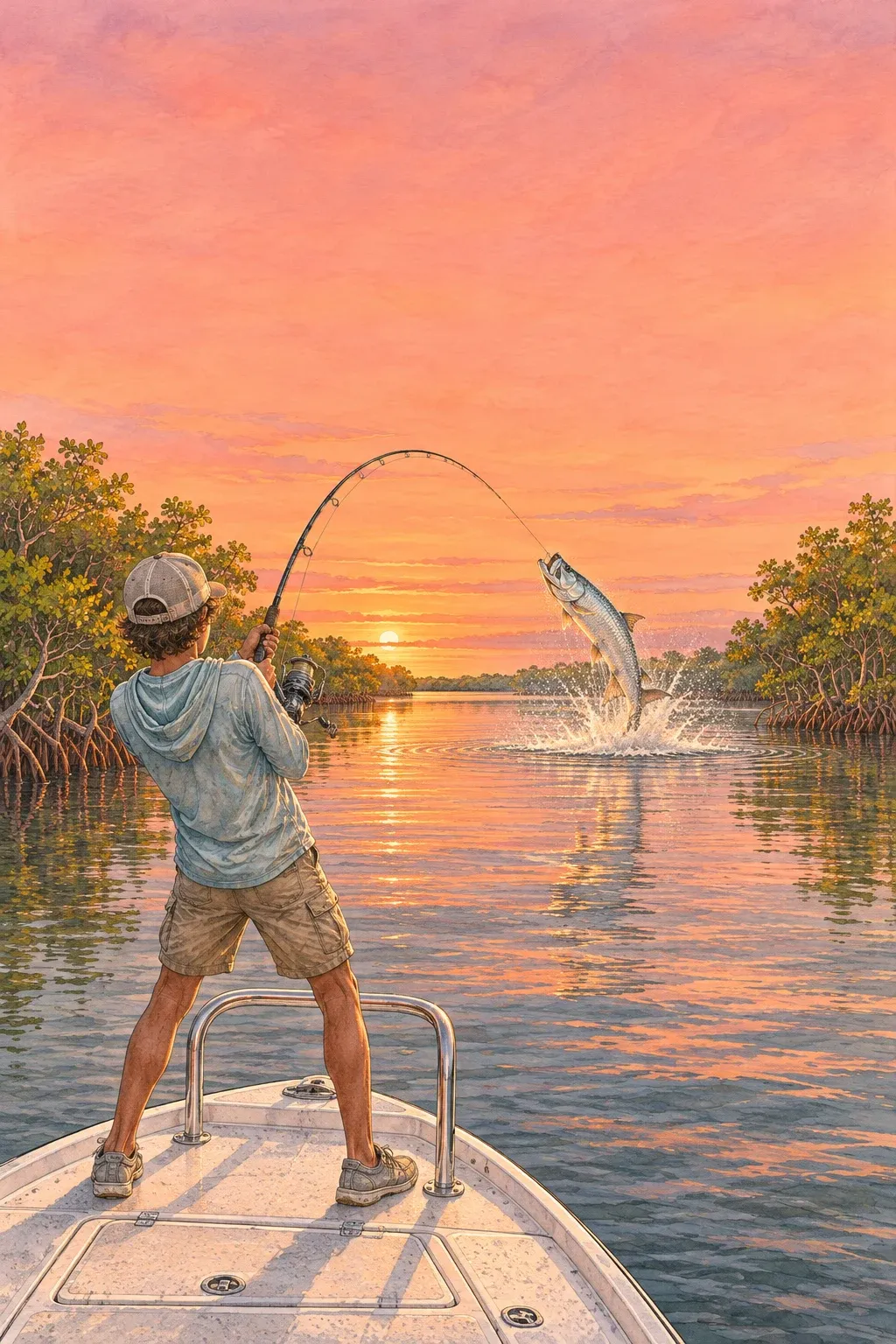
Come tight and hang on. When it jumps, bow: push the rod tip toward the fish to give it slack, or it lands on a tight line and breaks you off.
The fight
Keep the rod bent. A bent rod is a spring, and a straight rod is a broken line.
Let the drag do its job. When the fish runs, let it run. When it stops, you reel.
Lift slowly, then reel as you lower the rod: ‘pump and wind.’ Never reel against a running fish.
Steer it away from roots, pilings and oyster shell by leaning the rod the other way, low to the water.
Never grab the line with your hand. Net the fish head-first, or have your captain land it.
In the book: Chapter 4: set the hook too early and it flies out empty.
Chapter 7
On the boat
You’re crew before you’re captain. These are the rules a guide’s mate lives by, one from each lesson of Learn the Boat.
Boat wordsLearn the words on the dock, not in a squall.
Before you leave the dockThe plug, the jackets, the lanyard. Touch all three before you touch the key.
Waking the engineWatch the stream before you watch the fish.
Markers and mannersMost markers out there went in because somebody ran aground first.
Reading the waterIf you’re not sure it’s deep enough, it isn’t.
Skinny water, and getting stuckGo in slow enough that you can get out the way you came.
Anchoring and dockingNever come at a dock faster than you’re willing to hit it.
Bait and iceLively bait catches fish. Tired bait feeds crabs.
Back on the trailerFast at the ramp comes from slow in the parking lot.
Rinse and flushThe boat you wash tonight is the boat that starts tomorrow.
Every guide in the Everglades has run aground. The good ones did it slowly, and knew what to do next.
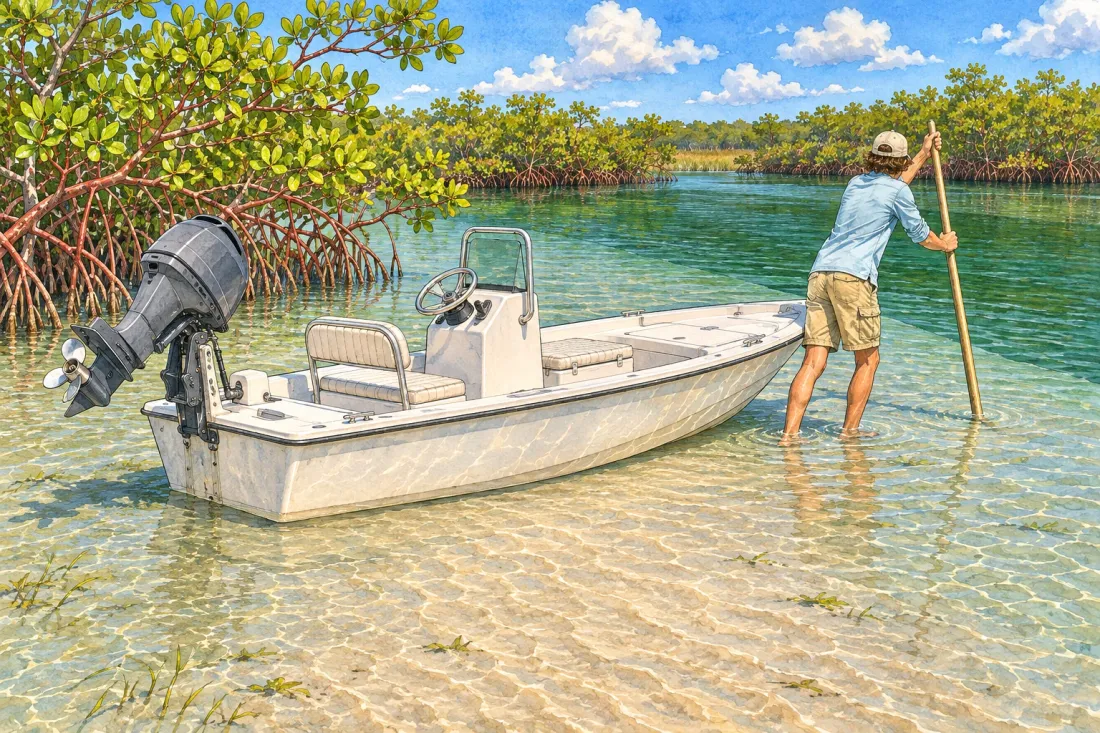
Trim up as it gets thin Tilting the engine up lifts the propeller and buys you a few inches. Slow down before you need them.
Pole and troll In the shallowest places the engine comes all the way up and the boat moves by push pole or trolling motor. Some flats are marked for exactly that.
Stuck? Stop. Shut the engine off. Gunning it to get off a flat digs a trench through the seagrass that can take years to grow back, and it can wreck the engine too.
Lighten and push Engine up. Move everyone’s weight toward the deep side. Push with the pole, back the way you came in.
Or wait If the tide is coming in, the cheapest fix is patience. Drop the anchor so you don’t drift farther on, and let the water come to you.
Go in slow enough that you can get out the way you came.
Florida has rules about who may run a boat and which safety course comes first, and Everglades National Park has a free boater course of its own. Rules change, so read what each one requires at the source, with a grown-up. Until then, you’re crew: you learn all of this beside a captain, wearing your life jacket.
Chapter 8
The pack list
Pack the night before. The morning you’re hunting for the pliers is the morning the tide won’t wait.
On you
Life jacket that fits
Hat with a brim
Polarized sunglasses: they let you see into the water
Long-sleeved sun shirt
Shoes that can get wet and won’t mark the deck
In your bag
More water than you think you need
Sunscreen
Bug spray (the no-see-ums are real)
Rain jacket
Snacks
Small first-aid kit
Towel and a dry shirt
Phone in a waterproof bag
Tackle
Rod and reel, rigged the night before
Spool of leader
Hooks, jig heads and a few soft plastics
Popping cork and a gold spoon
Pliers and line cutters
Landing net
Measuring board or tape
A rag
For the boat (the captain’s list; you check it)
Drain plug, in
Cut-off lanyard
Anchor and line
Marine radio
Paper chart
Push pole
Ice
Bait, and the aerator running
Fuel
Flashlight and a whistle or horn
Paperwork
Fishing license, if you need one (ask a grown-up to check FWC)
Today’s rules, written on the Keeper page
This journal and a pencil
Chapter 9
End of the day
The trip isn’t over when the boat is on the trailer. The crew that does this list is the crew that gets invited back.
Ice the catch, clean the fish. Fish first. Everything else can wait ten minutes; dinner can’t.
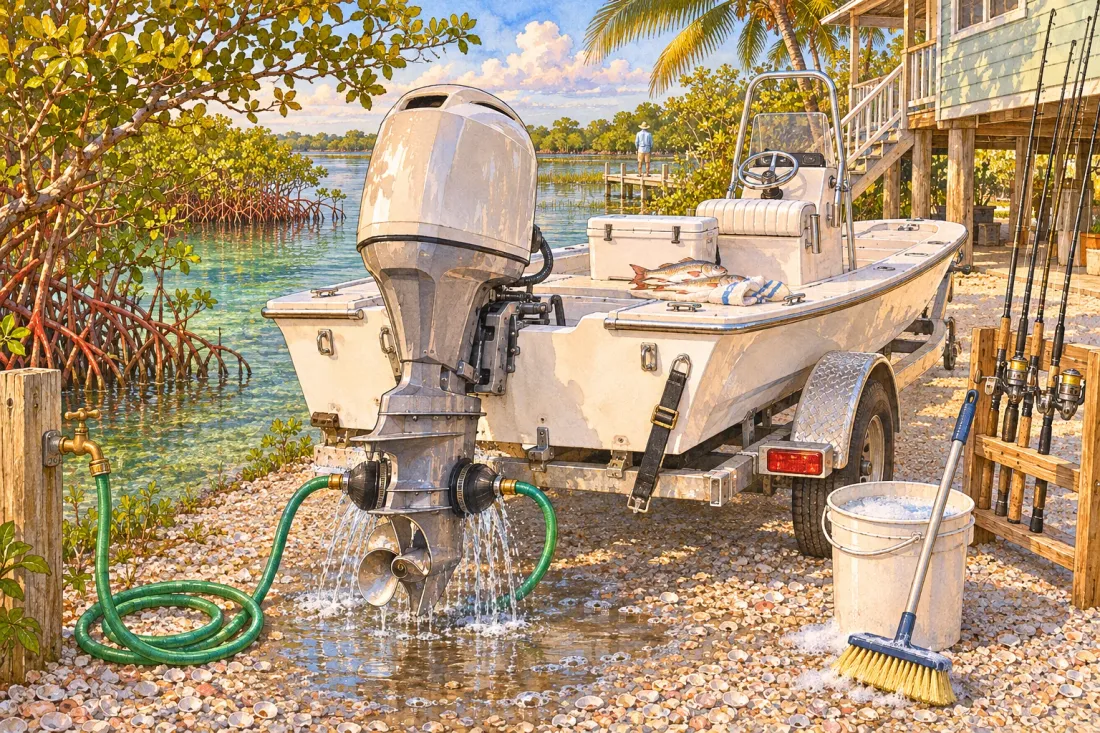
Flush the engine. Fresh water through it after every salt trip, the way the engine’s manual says. Water on before the engine starts; never run it dry.
Rinse top to bottom. Deck, console, hatches, the outside of the engine, the trailer, and the trailer’s wheels and springs most of all.
Rods and reels. A light mist, never a blast. Loosen the drags. Run the last few feet of line through your fingers and cut off anything rough.
Tackle. Rinse the lures you used and let them dry before they go back in the box. One wet hook rusts the whole tray.
Livewell and cooler. Drain them, scrub them, prop them open. Old bait water is tomorrow’s smell.
Trash and old line. Every scrap comes off the boat. Loose fishing line tangles birds and turtles.
Ready for next time. Fuel, batteries on charge, the plug where you’ll find it. Tell the captain about anything that’s broken.
Write it down. Where, what tide, what rig, what bit. In a year this page is worth more than any lure.
Chapter 10
The big one
Every angler has one. Write yours down the same day, while you still remember which way the tide was going.
The fish
Length
Date and time
Where
Tide and weather
Rig and bait
Who was there
Kept or released
Draw it, or tape the photo here
Witnessed by (your captain)
lostmansriver.com · from the novel Escape to Lostman’s River by Linda & John McKillop
Your reader’s summer
Lostman’s River: Fishing Guide Experience
$24.99, once, for up to five readers
Read, listen, learn. and laugh!
Buy one, give one: a second Experience to give, free, with a gift card you can send to anyone. Through December 31.
Opens the minute you pay: a link on screen and in your email. Nothing to install.
One reader, on any of your family’s devices. No account, no password.

 Black drum
 Cobia
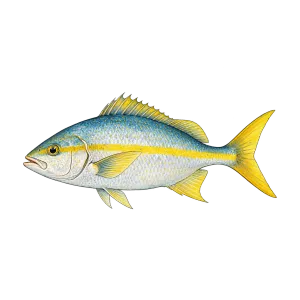 Yellowtail snapper
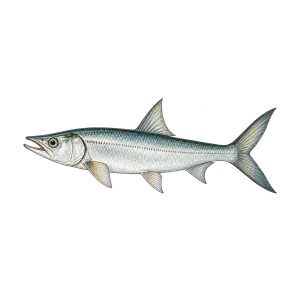 Ladyfish
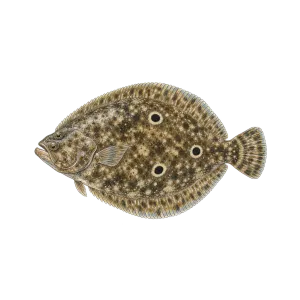 Gulf flounder
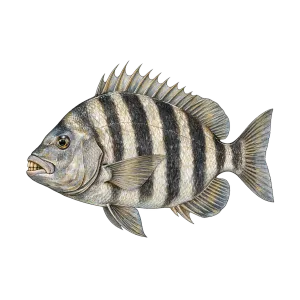 Sheepshead
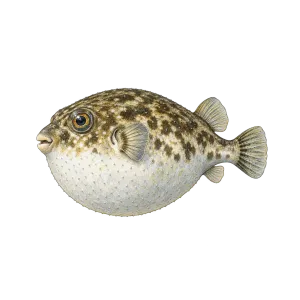 Pufferfish
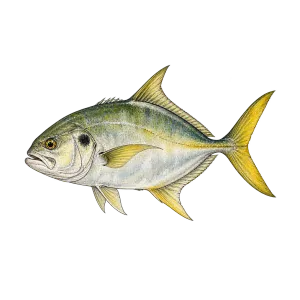 Jack crevalle
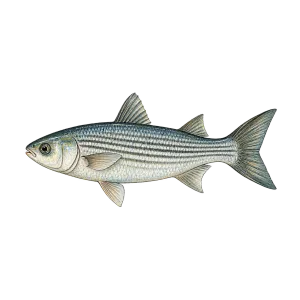 Striped mullet
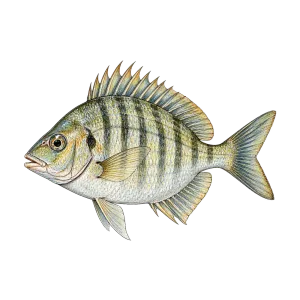 Pinfish
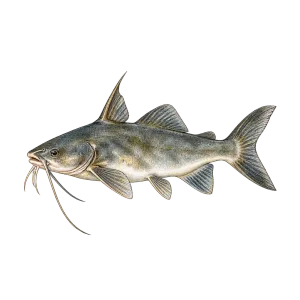 Hardhead catfish
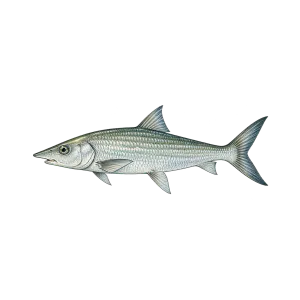 Bonefish
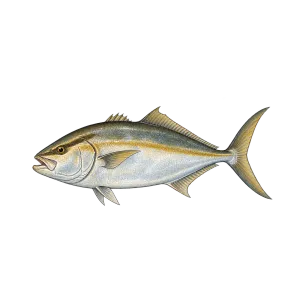 Greater amberjack
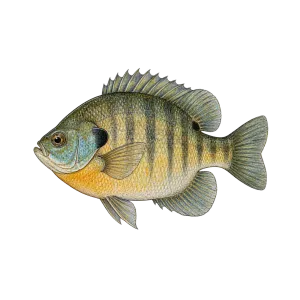 Bluegill ('brim')
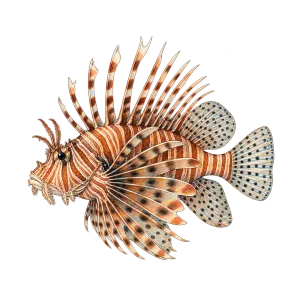 Lionfish (invasive)
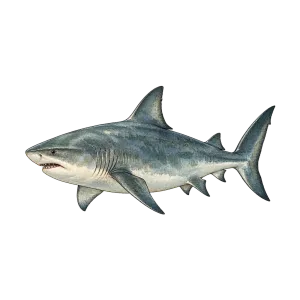 Shark on the beach ('Mako')
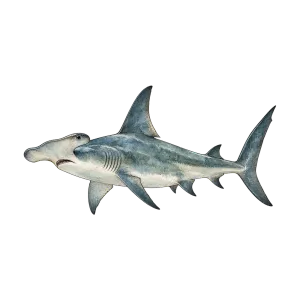 Hammerhead shark